David Fortney at the ABA on February 19, 2026
February 19, 2026
A Perspective on Trends from the DOL and on a State Government Level
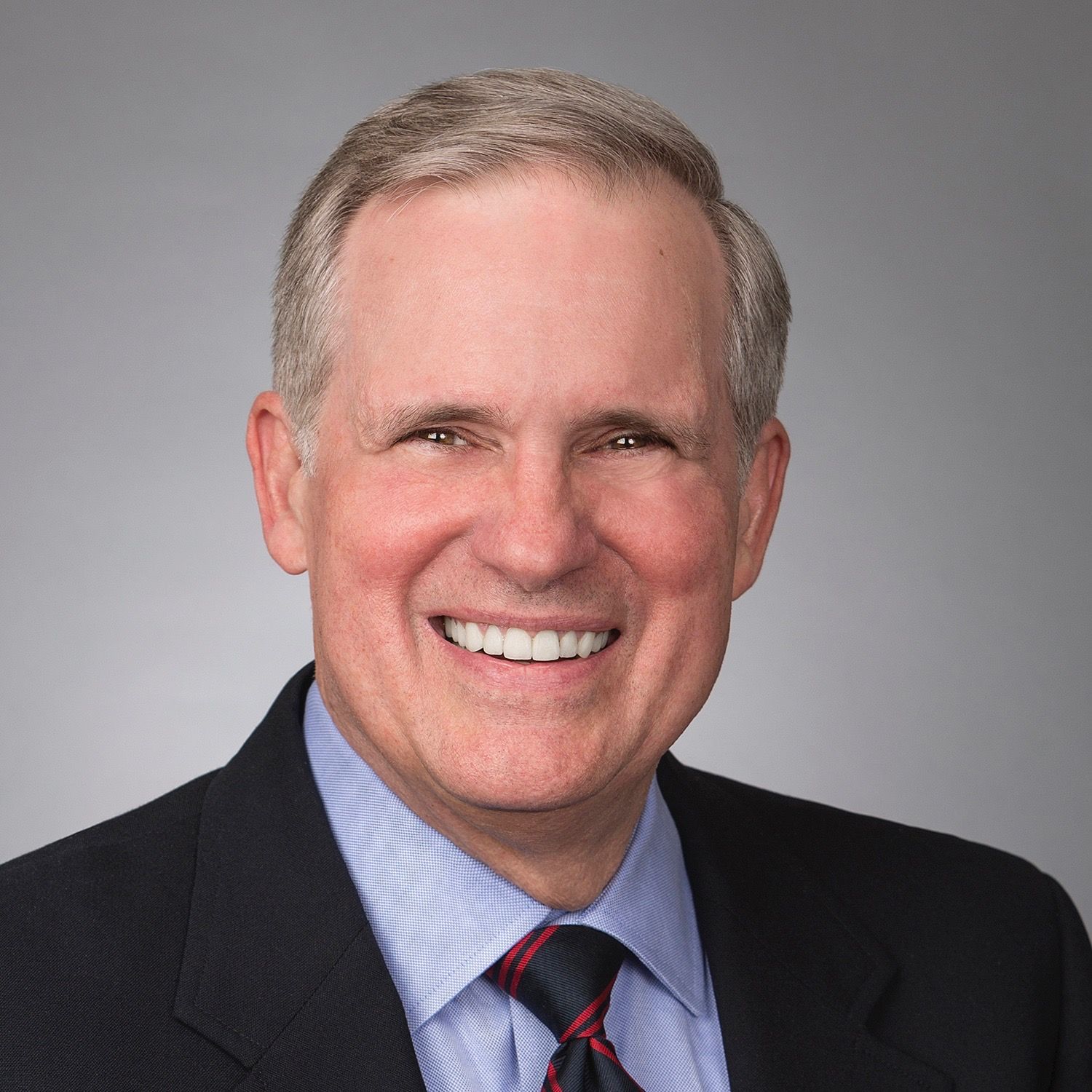
On February 19, 2026, FortneyScott attorney David Fortney, participated in the American Bar Association (ABA) Wage and Hour Committee's midwinter meeting on a panel titled "A Perspective on Trends from the DOL and on a State Government Level."
David, along with his fellow panelists, shared their evaluation of the current and anticipated wage and hour focal points at the federal policy level and discussed developments that have occurred and that are anticipated to occur at the state and local levels.
Washington Legislative, Regulatory and Agency Update
SESSION 4: Worker Categories, the 5% Gap, and Joint Assessments
New Enforcement Priorities at the Federal Agencies
AGC Labor & Employment Law Council's Construction Labor Law Symposium
SESSION 6: The Future of Global Pay Equity and Transparency – Caring for Employees
Fireside Chat with EEOC Chair Andrea Lucas
Washington Legislative, Regulatory and Agency Update
SESSION 4: Worker Categories, the 5% Gap, and Joint Assessments
New Enforcement Priorities at the Federal Agencies
AGC Labor & Employment Law Council's Construction Labor Law Symposium
SESSION 6: The Future of Global Pay Equity and Transparency – Caring for Employees
Fireside Chat with EEOC Chair Andrea Lucas
SESSION 4: Worker Categories, the 5% Gap, and Joint Assessments
AGC Culture, Inclusion & Belonging Roundtable - DEI Update
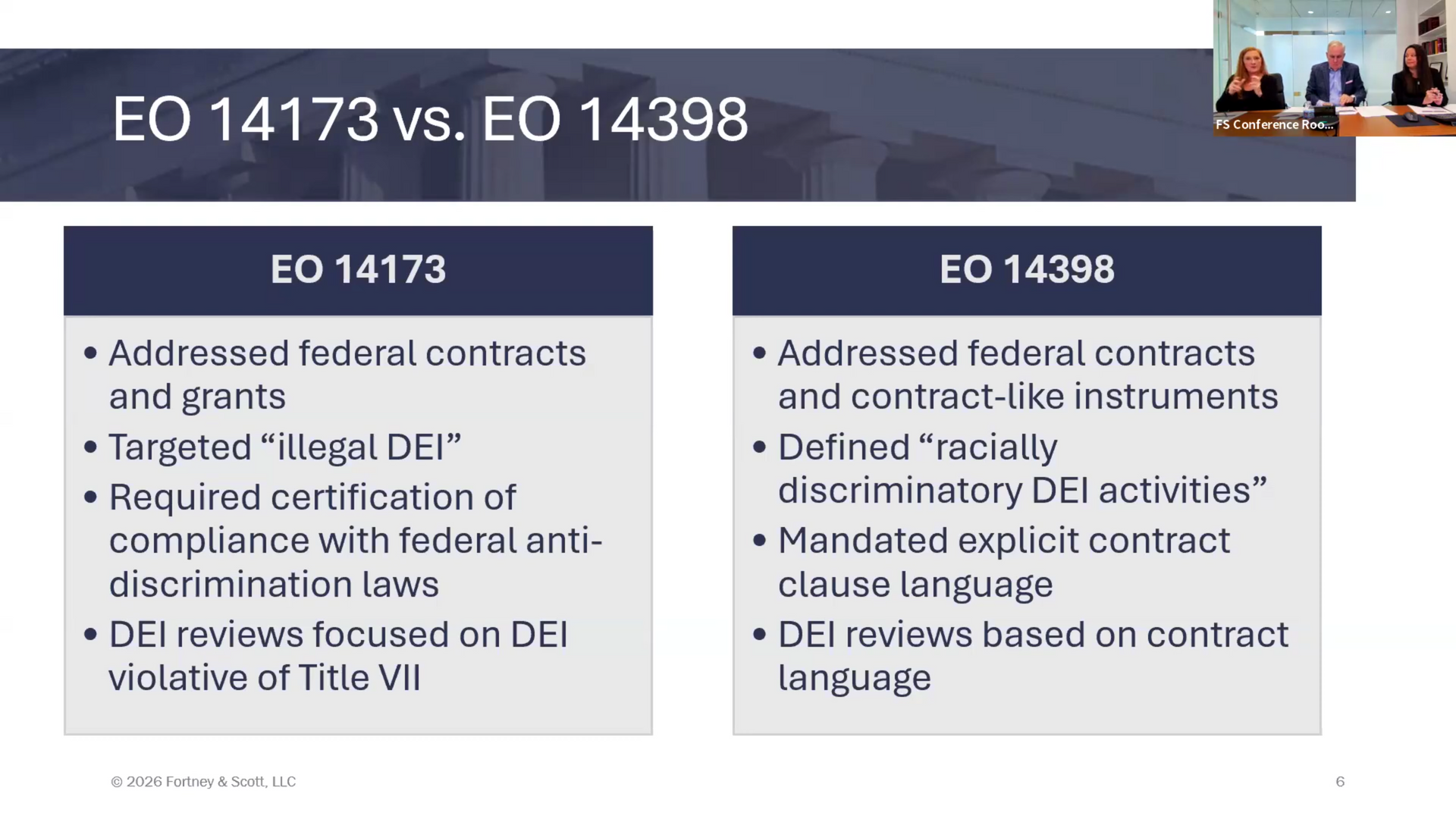
Federal contractors are facing immediate changes to implement stepped-up efforts to restrict DEI discrimination, including new mandatory contract clauses, expanded audits, and significant potential legal exposure. These far-reaching changes will impact prime contractors and all tiers of subcontractors. Any employer that is a federal contractor should immediately prepare for these new compliance obligations.
DOL Proposes New Joint Employer Standard In an effort to create a uniform, nationwide standard for determining joint employer status, the U.S. Department of Labor’s Wage and Hour Division will publish a Notice of Proposed Rulemaking (NPRM) in the Federal Register on April 23, 2026. The proposed Joint Employer Rule aims to restore a standard similar to the more business-friendly Trump 1.0 rule. Specifically, the proposed rule clarifies when multiple organizations would be considered joint employers under the Fair Labor Standards Act, the Family and Medical Leave Act, and the Migrant and Seasonal Agricultural Worker Protection Act. Comments are due within 60 days of the published date, or June 22, 2026. The proposed rule seeks to end nearly a decade of vacillating rules, as both the Trump and Biden administrations had tried promulgating a final rule previously. Those prior attempts created a series of conflicting executive and judicial rulings. As stated by acting Labor Secretary Keith Sonderling, this NPRM is intended to establish a “clear standard on joint employment.” Four-Factor Test The proposed rule modifies the Trump 1.0 standard, which focused heavily on requiring actual control by one company over another to establish joint employment. A prior judicial challenge to that approach was successful, requiring some modification to any new standard introduced thereafter. The proposed rule, therefore, responds by offering a four-factor test that is still heavily weighed on aspects of control. The four factors are whether a company: has the power to hire or fire a worker; supervises or controls a worker’s schedule or conditions of employment to a substantial degree; determines the rate and method of payment; and maintains a worker’s employment records. No single factor is dispositive, and the analysis will focus on the totality of the circumstances. Single National Standard Still a Goal The DOL acknowledged that some circuit courts continue to consider more factors and said the four listed factors were “not exhaustive.” Additionally, other federal agencies and several states have their own joint employer standards, some of which are directed at specific industries. For instance, the NLRB finalized its joint employer rule in late February 2026, with a similarly aligned standard that has some variances from DOL’s proposed standard. A final rule is anticipated soon after the comment period closes. Once issued, the rule may be subject to judicial challenges from interested parties that previously opposed similar regulatory approaches. Contact your FortneyScott attorney for additional information on how to submit comments and/or prepare for its impact on your workforce.