Leslie E. Silverman

LESLIE E. SILVERMAN

SHAREHOLDER

WASHINGTON, D.C.

1909 K Street, NW, Suite 330, Washington, DC 20006

Tele: (202) 689-1200 | Fax: (202) 689-1209
lsilverman@fortneyscott.com
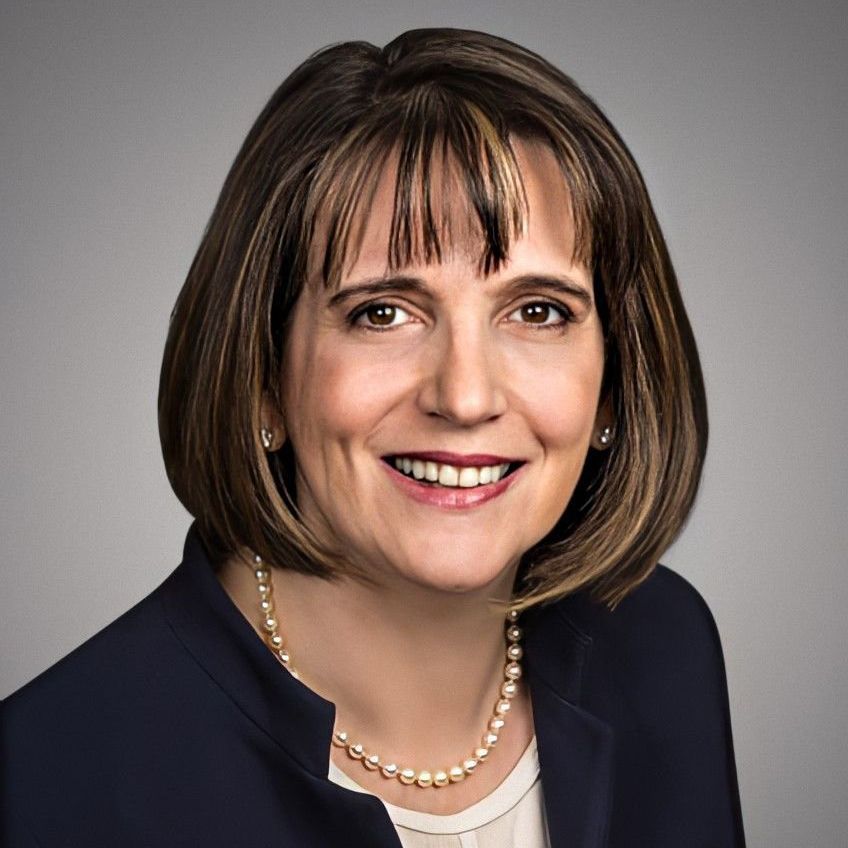
Leslie E. Silverman is a shareholder at Fortney & Scott, LLC where she counsels and advises clients on complying with workplace laws, and a wide range of workplace issues, including discrimination and harassment based on race, sex, religion, disability, age, employment screening, pay discrimination, and inclusive practices. Ms. Silverman frequently represents clients before the U.S. Equal Employment Opportunity Commission (EEOC) and other government agencies and specializes in conducting high-level and high stakes workplace investigations.


Ms. Silverman serves as an independent monitor, in consent decree resolutions and conciliation agreements between employers and the EEOC, and in private settlements, where she addresses allegations of widespread discrimination and harassment. In this role, she works with employers to ensure they have effective and compliant policies, robust complaint and investigation procedures, impactful workplace training programs, effective and compliant application processes, supervisor accountability measures and appraisal systems. She also collaborates with employers on the development of employee surveys, feedback tools and other key components of effective culture initiatives.


Ms. Silverman previously served as the Vice Chair of the EEOC until September 2008, and as a Member of the Commission starting in 2002. During her tenure on the Commission, she initiated and led an internal Systemic Task Force which resulted in the 2006 overhaul and reprioritization of EEOC’s Systemic Discrimination Program; spearheaded the examination of discrimination against caregivers and issuance of the 2007 Caregiver Guidance; shepherded the 2008 Compliance Manual on Religious Discrimination through the Commission and led an effort to expand and enhance the EEOC’s mediation program in partnership with the American Bar Association. Ms. Silverman also served as Labor Counsel to the Senate Health, Education, Labor and Pensions (“HELP”) Committee, where her responsibilities included oversight of EEOC, the Department of Labor and handling EEO, FLSA and FMLA legislation and oversight on behalf of the HELP Committee.


Ms. Silverman is a fellow at the College of Labor & Employment Lawyers and a member of the College’s DC Circuit Credentials Committee. She is also a member of the American Employment Law Council and the American Bar Associations’ EEO Committee.


Ms. Silverman is a frequent speaker on EEO law and the EEOC.

Practices


Professional Activities

  • College of Labor and Employment Lawyers, Fellow and Member of the DC Cir. Credentials Commitee
  • American Bar Association, Equal Employment Opportunity Committee
  • American Employment Law Council
  • Institute for Workplace Equality, Faculty Member
  • U.S. Chamber of Commerce Labor Relations Committee


Admitted to Practice

  • District of Columbia
  • U.S. Supreme Court
  • U.S. Court of Appeals
  • Fourth Circuit
  • U.S. Court of Appeals, Sixth Circuit


Education

  • Georgetown University Law
    Center (LL.M. with distinction)
  • American University Washington
    College of Law (J.D.)
  • University of Vermont (B.S.)
December 10, 2025
December 18, 2025 at noon EDT CLICK HERE to Register Join FortneyScott attorneys for a complimentary webinar on how employers should prepare for 2026 based on the significant changes in 2025. The Trump Administration begins 2026 with a quorum at the EEOC, new leadership at all the DOL agencies, and the likelihood that the NLRB quorum will be restored soon, so employers should expect aggressive action by all the workforce agencies. This session will provide critical insights into: What to expect from EEOC with its new quorum; An activated DOL, including the new Wage & Hour Division priorities, such as revisions to the Biden-era rules on white collar exemptions and joint employment; new Opinion Letters and compliance tools, how AI is being addressed, and expected developments; Whether OFCCP will survive in 2026, and changes affecting Federal contractors and grant recipients; and Practical steps employers should consider before 2026 begins. This is the final presentation in FortneyScott’s four-part Workplace Legal Compliance Webinar Series 2025, designed for in-house counsel, compliance professionals, HR leaders, and business executives. To register for FortneyScott’s Workplace Legal Compliance training series, please click here .
November 19, 2025
The longest US government shutdown has ended; the House will return to Washington and Congress will resume operations; the EEOC has a quorum and can fully operate; the leadership teams for all DOL agencies now are in place; the NLRB waits to learn the fate of its Members; and, the U.S. Supreme Court will be confronting its Emergency Rulings (the “shadow docket”) in merits rulings on the regular docket in several high stakes cases. Everyone in Washington, the US, and, indeed, the whole world is watching and trying to plan their next steps. Join the Employment Law Alliance (ELA) for an engaging and timely webinar where speakers will discuss what is likely to unfold regarding the workplace and beyond. They will offer practical guidance both for US companies and those that do business with the US .
October 30, 2025
November 20, 2025 at noon EDT CLICK HERE to Register Join FortneyScott attorneys for a timely webinar addressing the Trump Administration’s escalating enforcement efforts targeting “illegal DEI” practices among federal contractors, grant recipients, and higher education institutions. In recent months, the Administration has initiated certification demands, expanded DOJ investigations under the False Claims Act, and increased EEOC scrutiny under Title VII. This session will provide critical insights into: The latest developments in federal investigations and enforcement; DEI programs under legal challenge; and Practical steps employers—especially federal contractors and grant recipients—should take now to mitigate legal risk and ensure compliance with EEO laws. This is the third installment in FortneyScott’s four-part Workplace Legal Compliance Webinar Series, designed for in-house counsel, compliance professionals, HR leaders, and business executives. To register for FortneyScott’s Workplace Legal Compliance training series, please click here .
October 23, 2025
Understanding that everyone is going into Q4, which is the kickoff of your merit and compensation cycles, we want to support those compliance efforts. Join FortneyScott attorneys and our guest speaker, Rick Holt from Resolution Economics, on Thursday, October 23, 2025, at noon EDT for a discussion on strategies for reviewing compensation decisions under the governing legal standards and the Trump Administration’s enforcement priorities.  We will focus on discussing: Changes in legal enforcements; Legal considerations for conducting pay analyses; Recommendations on refreshing analysis models; and, Remediation strategies.
October 7, 2025
On Tuesday, December 2, at 2pm EST , join attorneys from Novus Law Firm and FortneyScott and an I/O Psychologist from DCI as we discuss the scope of data being requested by the federal government and how to ensure that your institution is prepared. To register for this complimentary webinar, please CLICK HERE . Higher Education continues to be targeted by the Administration’s enforcement efforts to ensure compliance with federal anti-discrimination laws. Employment and admissions practices are subject to increased scrutiny by multiple federal agencies. For instance, both the Department of Justice (DOJ) and Health & Human Services (HHS) have issued Civil Investigation Demand (CID) letters requiring the submission of voluminous data and documents. These investigations pose significant risks, including potential civil and criminal lability, and the loss of federal contracts and grants. Additionally, the Department of Education (ED) has proposed major changes to the Integrated Postsecondary Education Data System (IPEDS) which, if implemented, would require institutions to report up to six years of detailed admissions data including applicant demographics and admissions criteria for undergraduate and graduate programs. Given this rapidly changing legal compliance landscape, higher education institutions should be prepared for government investigations that scrutinize wide-ranging practices, including those related to employment, admissions, and compensation. We will cover: Responding to federal agency investigations, which can include CIDs & scope of data production How to prepare for a potential investigation How the proposed IPED revisions may impact reporting burdens How federal agencies may use and share institute data Prospective data analytics that should be conducted
Show More